2756 Ripple Street Saginaw, MI 48607
Hartz Painting LLC Uncategorized Process To Hiring A Personal Injury Lawyer

Process To Hiring A Personal Injury Lawyer

Process To Hiring A Personal Injury Lawyer

As scary as it is to admit, you never know when you will require an accident lawyer. No one ever thinks they will find themselves in a situation that needs an attorney, and the majority of people don’t anticipate to come down with a major injury.

Regrettably, mishaps and injuries occur to people every day– even to mindful people who have not done anything wrong.

By nature, you can’t get ready for an accident (whether that’s a cars and truck accident, a pedestrian accident, a slip and fall mishap, or something else), but you can plan what you will do in the consequences.

Among the best things that you can do to protect yourself in the event of a mishap is to find the ideal legal assistance– but that needs to you understand how to select a personal injury attorney.

Being ready and knowing what questions to ask can make all the difference in your case, from the amount of money you’ll have the ability to recover for your injury to the level of stress you have to handle throughout the legal process. Make certain you pick a lawyer who will offer you with the level of support you need, as well as somebody who is qualified to get you the best result possible for your mishap case.

To help you browse the process of picking the very best injury lawyer in California or elsewhere, check out the pointers listed below.

Learn more: P.C.

5 Actions to Take in the Personal injury Attorney Selection Process

Below are a few steps you should take when looking into and assessing attorneys for your accident case.

1. Evaluate their experience.

The more experience an attorney has in accident law, the most likely they are to succeed in your case. That’s since they’ve seen it all, so they understand how to handle even the biggest barriers, from showing the damages of extremely intricate, disastrous injuries to seeing through the tricks of manipulative insurance provider.

A mishap attorney with years of experience under their belt is likely already familiar with the type of injury case you’re giving them.

To properly evaluate an attorney’s level of experience, make certain to ask the following questions:

Is personal injury one of the main practice locations they focus on as a legal representative and as a company? (For some general-practice law firms, personal injury could be one of a lots types of law they practice, meaning they only deal with these cases from time to time, and they may not have the best level of experience.).
The number of years has the lawyer and law office been handling these types of cases?
Does the attorney have extensive trial experience?
Are they well-recognized and well-respected in the accident law community? (This recognition might be in the form of professional awards, membership/leadership in personal injury or trial lawyer associations, and so on).
Do they have experience handling the particular type of case you’re handling? (For instance, if you suffered from a brain injury, does their firm have experience winning payment in brain injury cases?).

2. Ensure they have a strong performance history for success.

Bear in mind that there are many attorneys who have years of experience but still do not in fact have a strong track record of success. For instance, they may be understood for succumbing to low-ball settlements from the insurer, or they may not have proven outcomes for winning the most difficult, most high-value cases.

As you consider a lawyer, review their case results and ask these concerns:.

Have they consistently recovered multi-million-dollar settlements and decisions for clients?
Do they have experience winning cases including devastating injuries and even wrongful death claims, not simply mishaps involving small injuries?
Have they won any awards for their settlements and verdicts?

3. Take notice of how they engage with you.

Trust your judgment. The attorney-client relationship is necessary, so ensure that you like the way that you are being communicated with and dealt with by any attorney you are considering employing.

It is necessary to take note of the following:.

Are they eager to answer any concerns you have?

Are they friendly and expert?

Are they strong communicators? (Do they clearly discuss the legal process, call you back promptly, and so on).

Are they going to travel to you as required?

Do they seem truly worried about your well-being?

4. Comprehend their payment model.

Make sure to check out the fine print carefully when hiring a new lawyer to ensure that you completely understand their payment design so there are not a surprises later.

A couple of great questions to ask consist of:

Do they offer a totally free preliminary consultation?

Do they deal with a contingency-fee-basis? (This implies you just pay the firm legal costs if they win your case. Furthermore, your legal costs are taken out of your settlement, or paid by the accused, so you do not have any upfront charges connected to your legal representation.).

Can they offer a cash loan to cover costs prior to your settlement or decision?

5. Consider what extra resources they offer.

It is necessary to consider the additional resources your prospective injury legal representative can provide. Some personal injury law practice provide a greater level of assistance with various elements of phases of the case, creating less trouble for you and a smoother experience in general.

Ensure to ask the following:.

Do they have a network of medical professionals they can use to assist you discover the treatment you need?
Can they help you find physicians who want to deal with a lien basis so your medical expenditures can be taken out of your settlement or decision?
Can they assist with additional services connected to your case such as residential or commercial property damage assessment and liens settlements (i.e., negotiating costs with your medical companies)?

Why Employ a Personal Injury Attorney in the First Place?

After being injured in an accident or another occurrence brought on by somebody else’s negligence, you might be wondering if you really need to employ an accident legal representative. The quick response is YES, you do!

Why? Since there will be an opposing party in your case that will be working against you, either to show you were at fault for your own injuries or to give you the lowest settlement possible. For the most part, this opposing celebration will be the insurer of the individual or company that triggered your injuries.

Insurance provider handle injury claims day in and day out, so they’re experts at using manipulative strategies to decrease their payment to injury victims. This is why you require a well-informed and experienced personal injury attorney in your corner safeguarding your right to reasonable settlement.

A great legal representative will investigate your case, show liability by the at-fault celebration, and handle all settlements with the insurer in your place. They will also make certain you do not get short-changed, fighting for the greatest settlement or verdict to which you are entitled.

But make sure you do your research prior to choosing a legal representative. Not every personal injury attorney will be certified to get you the very best result possible in your case. Keep in mind to choose wisely utilizing the tips in this article!

Related Post

What You Can Expect From Your Yearly Fire Lawn Sprinkler Inspection?What You Can Expect From Your Yearly Fire Lawn Sprinkler Inspection?

What You Can Expect From Your Yearly Fire Lawn Sprinkler Inspection?

Your fire sprinklers go through evaluations at times determined by the National Fire Protection Association (NFPA). These inspections happen weekly, monthly, quarterly, annually, every 3 years and every 5 years relying on what is being inspected.

Each examination has the exact same overall objectives: to extend the life of your automatic sprinkler and to make sure the system is practical ought to a fire spark.

To examine all the info on your lawn sprinkler inspections, check out the NFPA 25.

Learn more: Fire Sprinkler Inspections Near Me

Why You Need To Get A Fire Sprinkler Inspection

What Your Inspection Covers

When it involves checking your fire automatic sprinkler, different products are inspected at different time periods. 7 products are evaluated at your quarterly and also yearly assessment:

Valves.
Wet as well as completely dry gauges.
Water circulation as well as supervisory alarm tools.
Water flow alarm system on both damp as well as completely dry systems.
Hydraulic system nameplates.
Fire department links.
Pressure-reducing as well as relief valves.

In addition to these, 4 even more evaluations are included in your annual assessment:

Sprinkler heads, pipes and installations
Supply of spare sprinkler heads and tools
Dry pipeline shutoffs
Water flow test

Getting ready for Your Annual Fire Lawn Sprinkler Evaluation

Your local fire department additionally will conduct annual evaluations of your fire lawn sprinkler. To make these evaluations reliable for both of you, you ought to:

Get in touch with your regional fire department ahead of your examination to provide evaluation, testing as well as maintenance reports for the year and also to ask about what the fire department will certainly be seeking in your system.
Review your records with your fire department and also give descriptions for any kind of concerns you have actually reported to them.
Have a liable representative of your group go along with the assessor while they do their responsibilities.
Take precise notes of their searchings for throughout the evaluation.

Why It’s All Essential

When it involves discharge lawn sprinkler, safety and security is of miraculous concern. That’s why it’s vital that your systems are working correctly and complying with the called for procedures as well as timeline for evaluations.

Keeping your structure and also your staff members secure by following these standards to the t will certainly assist make sure that your service is protected also.

From installation to assessments, iProtection has you covered with all your system requires to make sure your system is in top form and will pass inspection whenever.

iProtection is locally had as well as run and has been offering the Dallas/Fort Worth area because 2000.

Get in touch with us to allow us recognize how we can assist you pass your next fire sprinkler evaluation.

No Income Verification MortgageNo Income Verification Mortgage

No Income Verification Mortgage Programs

You may still be able to get a no-doc mortgage if you have tricky self-employment income or don’t meet the income requirements of traditional loan programs. A no-doc mortgage (also called a no-income-verification mortgage or stated-income loan by lenders) requires less paperwork to get approved and may close faster than a fully documented loan, especially if you have complicated tax returns.

Today’s no-income-verification mortgages come with extra consumer protections, making them a viable alternative to traditional home loans.

You might be asking “What is a No Income Documentation Loan”?  Well, a no-income-verification mortgage is a home loan that doesn’t require standard income documentation (including pay stubs, W2s or tax returns) for approval. The lender allows you to use other items, such as bank statements, to show that you can repay a mortgage.

No-doc mortgages were more commonly known as stated-income loans before the housing crash of 2007 and 2008. These loans were popular for self-employed borrowers, as they could essentially “state” whatever income was needed to qualify. Go now, to learn how you can qualify for low rates at Loan Trust.

How can you Apply for a NO-DOC Mortgage Loan?

When a borrower is looking to qualify for a mortgage for their investment property, they normally are required to submit a proof of income, such as; pay stubs, employment letters, bank statements, and tax returns. As a non documented loan program is also a NON-QM (non-qualified mortgage) loan, the borrower is not required to provide any proof of income. 

Due to the structure of this type of loan program and other NON-QM loans, they are only available through direct private money and non-qualified mortgage lenders.

The application process for this specific loan is no different than other private money mortgage programs or asset based loans. Unlike conventional loans with extensive documentation, this program has less underwriting, making this a faster process for prospective investors.  Go now, to get a fast quote for a No Doc Mortgage Loan.

Workforce Planning: Strategies and Insights for Effective Talent ManagementWorkforce Planning: Strategies and Insights for Effective Talent Management

Competition for talent is fierce and companies are discovering the need to adapt to worldwide changes through effective talent management. Read on to learn about the relevance of workforce planning today and cutting-edge B2B data and tools for efficient and data-driven workforce planning.

The Importance of Workforce Planning in Today’s Business Landscape

According to the World Economic Forum, more than 1 billion people by 2030 will need reskilling to keep up with technology’s rapid transformation. Furthermore, 29% of recruiters also believe the skills gap has increased. This number is evident in companies focusing on skills-based hiring over the requirements of having a Bachelor’s degree.

The working population aged 50 and above has increased by 37% in 2020, causing more multigenerational workplaces. In light of this, workforce planning is more vital now than ever. It anticipates coming trends and changes that will inevitably affect the organization. It plans ahead of the business landscape and market changes through hiring strategies, talent acquisition, and more.

To do an efficient workforce planning, organizations will have to address few areas like:

  1. Understand the critical components of a strategic workforce plan
  2. Leveraging data and analytics and choose the right provider
  3. The tools and software required to implement the strategy
 

Critical Components of a Strategic Workforce Plan

Some critical components of a strategic workforce plan are:

  1. A talent and acquisition and retention strategy
  2. A succession planning ensuring a smooth transition of talents
  3. A mitigating risk strategy addressing workforce challenges

Talent and retention strategy

A strategic workforce plan aligns an organization’s workforce with its strategic goals and objectives. To do so, it must develop a talent acquisition and retention strategy. Critical components of that strategy can include:

  • Workforce Analysis
    This key involves assessing the current workforce. The process takes inventory of the skills, competencies, demographics, and performance. It helps identify strengths and weaknesses within the workforce. The accumulated data provides insights into the organization’s current capabilities.
  • Data and Analytics
    Effective strategic workforce planning relies on accurate and up-to-date data. Therefore, organizations should establish systems for collecting, analyzing, and utilizing workforce data. By doing so, organizations can use said data for decision-making, tracking progress, and making necessary adjustments.
  • Future Workforce Needs
    The workforce plan should anticipate future requirements based on the organization’s strategic goals. This process involves using the data collected in the first step to identify the skills, knowledge, and competencies needed to support the organization’s future objectives.
  • Gap Analysis
    A gap analysis can identify discrepancies or shortages in skills or talent by comparing the current workforce with future needs. This analysis helps prioritize areas that require attention. It guides strategy development to address those gaps.
  • Recruitment and Talent Acquisition
    A strategic plan includes strategies for attracting, recruiting, and selecting qualified candidates. It involves developing targeted recruitment campaigns or exploring diverse talent pools. The HR development may also leverage technology to reach the talent pool. They may also partner with educational institutions.
  • Training and Development
    Investing in training and development programs is crucial for building a skilled and adaptable workforce. It also encourages talent retention. Therefore, a strategic plan should outline initiatives for enhancing the critical skills of existing employees. This stage involves providing relevant workforce development and training programs -including mentoring and coaching.
  • Succession Planning
    Succession planning involves identifying critical positions within the organization. Then it transitions to strategy development to ensure a smooth transition when those positions become vacant. It may include leadership development programs, talent pipelines, and knowledge transfer mechanisms.
  • Retention and Engagement
    Retaining top talent is essential for organizational success. A workforce plan should include strategies to enhance employee engagement. The program must promote a positive work culture and manage conflicts appropriately. This step can involve interactive employee diversity, equity, and inclusion training. Retention and engagement must also tackle competitive compensation and benefits to create career growth and advancement opportunities.
  • Monitoring and Evaluation
    A strategic workforce plan should include mechanisms for monitoring implemented strategies. Emerging trends and other external factors can affect the workforce and its data. Regular assessments and feedback loops allow for adjustments and improvements to the plan.

Succession planning, ensuring a smooth transition of talent

Succession planning is also critical to a strategic workforce plan. It identifies and develops future organizational leaders to ensure a smooth talent transition. It also involves identifying key positions, assessing high-potential employees, and implementing strategies to groom and prepare potential successors in their career development. It can include mentorship programs to ensure proper knowledge transfer.

Developing future leaders and high-potential employees is a valuable investment for the organization. Here is the process included in succession planning to find them and ensure their development and succession would go smoothly for the organization.

  • Board and Executive Involvement
    Engage the board of directors and executive leadership in succession planning. Their involvement provides oversight, guidance, and support for succession initiatives. Ensure that succession planning aligns with the organization’s strategic direction. By involving the board and executive people, your succession planning can receive the necessary resources and commitment.
  • Identify Key Positions
    Begin by identifying critical roles in the organization that are essential for its long-term success. These positions significantly impact the organization’s strategic objectives, operational efficiency, and overall performance.
  • Talent Assessment
    Evaluate the current talent pool. Identify individuals who have the potential to assume critical roles in the future. This assessment can include performance evaluations, skills assessments, leadership potential assessments, and feedback from managers and peers.
  • Development Planning
    Once potential successors are identified, create individual development plans to address skill or knowledge gaps. Job rotations and stretch assignments will give them a background in different branches they will have to manage in the future. Mentoring and leadership development programs and other growth opportunities also help prepare these individuals for future leadership roles.
  • Performance Management
    Align performance management processes with succession planning objectives. Provide ongoing feedback and coaching initiatives to potential successors. Keep them updated with their progress by setting clear performance expectations and establishing career development paths that lead to key leadership positions.
  • Succession Plan Documentation
    Document the succession plan to ensure clarity and transparency. This step includes detailing the identified successors, their development plans, timelines for transitions, and contingencies for unforeseen circumstances. Keep the plan updated as talent and organizational needs evolve.
  • Continuous Monitoring and Review
    Regularly review and evaluate the progress of the succession plan. Monitor the leadership growth, reassess talent needs and gaps, and make adjustments as necessary. This process ensures the plan remains relevant and effective in addressing evolving business requirements.

Mitigating Risk Strategies Addressing Workforce Challenges

Mitigating risk should also be part of a strategic workfroce planning. Some organizations use external talent consideration to find successors. Bringing in fresh perspectives and talent can be beneficial to organizations. Therefore, organizations must mitigate the risks of their talent pool leaving the company.

There are also other workforce risks and challenges that organizations may face. To mitigate these risks, organizations can implement the following strategies:

  • Data collection and management systems prevent the risk of data accuracy
    Accurate data is vital for workforce planning. If your data is inaccurate or insufficient, it causes faulty data-driven decisions and ineffective planning. Tools like DataCliniq can help you clean, extend and update your existing data to be relevant and reliable.
  • Scenario planning for a rapidly changing business environment
    Accurate forecasting of future workforce needs is difficult, significantly when the business environment is constantly changing. In addition, technological disruptions can cause skill gaps and shifts in consumer behavior. These economic possibilities can impact your workforce planning.
    Therefore, the answer to these economic uncertainties is scenario planning. You can make more efficient workforce plans by anticipating various possible scenarios.
  • Agile workforce planning mitigates shifting demographics
    Demographic shifts are one of the workforce challenges organizations may face. It can be an aging workforce, the rise of younger employers, and increased diversity. These shifts can challenge workforce plans because they affect employees’ needs, preferences, and expectations.
    The organization can make quick and agile adjustments by having a flexible approach to workforce planning. In addition, the organization can adapt to internal and external changes by regularly reviewing and updating plans.
  • Building a diverse talent pool resolves talent shortages
    Talent shortages make it difficult for organizations to fill critical roles. It causes increased competition for talent, higher recruitment costs, and difficulty attracting and retaining top talent.
    The organization must develop strategies to attract candidates from different backgrounds and demographics as risk mitigation. But first, the organization must cultivate a positive and safe work environment through diversity and inclusion to attract and retain them.
  • Changing management can resolve resistance to change
    Workforce planning involves changing the organization’s structure, processes, and culture. However, employees, managers, or even stakeholders can be obstacles by slowing down or derailing workforce planning initiatives.
    Strategies to change management can remedy the resistance to change. Engaging with employees and stakeholders early in the process provides better communication and support to help individuals adapt to their new roles and processes.
  • Financial planning for budget constraints
    Workforce planning is an investment in employee recruitment, training, and development. Unfortunately, budget constraints can limit the organization’s ability to take on these initiatives.
    Financial planning must be included in workforce planning. By demonstrating the potential return on investment and value of strategic workforce planning, the organization’s leaders can be persuaded to invest.
  • Compliance with laws and regulations
    If workforce planning doesn’t comply with legal and regulatory requirements, it can result in fines, lawsuits, and reputational damage.
    Therefore, the organization must stay updated on labor laws, regulations, and compliance requirements associated with workforce planning. In addition, consult with legal experts to ensure workforce planning practices align with the organization’s legal obligations.
  • Engagement with executives and senior leaders helps maintain leadership support.
    With the support and commitment from senior leadership, workforce planning efforts may receive the proper resources, attention, and trust from stakeholders.
    It is essential to secure strong leadership support to have a budget and culture prioritizing strategic talent management.
 

Leveraging Data and Analytics for Successful Workforce Planning

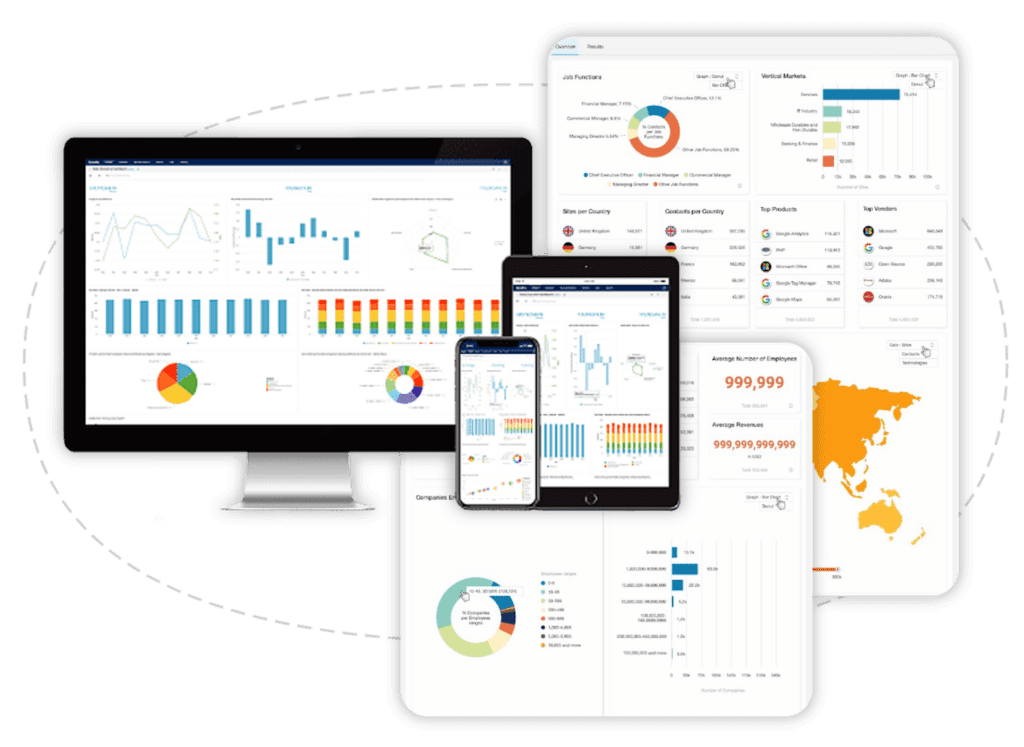
Rhetorik Skills-Based Intent graphic.

Want to know how our other tools can help you?